A revised draft decision strips away key fossil fuel transition language and specific adaptation funding targets, drawing sharp criticism from climate advocates ahead of expected weekend talks.
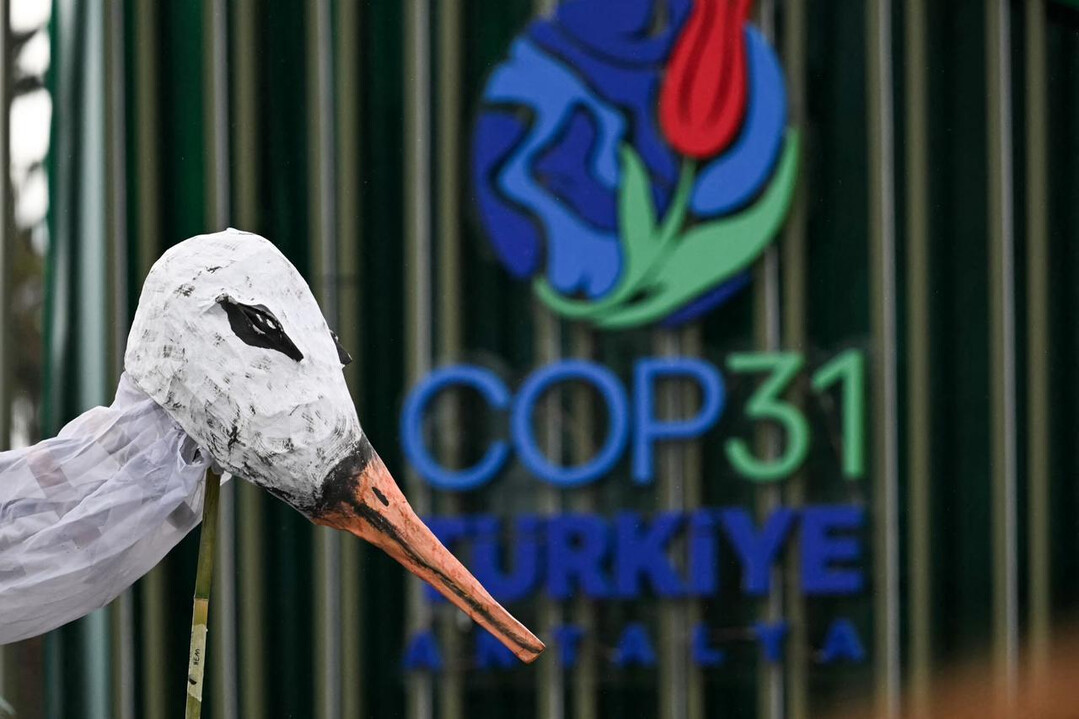
Negotiators at the 31st UN Climate Change Conference (COP31) are locked in eleventh-hour talks over a final cover decision, with discussions widely expected to stretch through the weekend past Friday’s scheduled close.
A second revised draft text released by the COP31 presidency on Thursday has sparked intense backlash from observers and climate advocates, who warn the summit risks ending as a "phantom COP" devoid of meaningful outcomes. The updated text omits explicit calls to phase out fossil fuels and weakens key financial commitments for climate adaptation and disaster recovery.
Grim Outlook on the 1.5°C Threshold
The revised draft opens by acknowledging a sobering reality: global temperatures are projected to temporarily exceed the critical 1.5°C warming limit above pre-industrial levels—a scenario known as "overshoot." If adopted, this would mark the first time a formal COP cover decision concedes that the world will breach the threshold long considered the guardrail against catastrophic climate impacts.
While the text reaffirms a commitment to eventually bring temperatures back down and minimize the duration of the overshoot, it notes that developed nations fell short of the IPCC’s benchmark to cut emissions by 25% to 40% below 1990 levels by 2020. According to UNFCCC data, 167 parties had submitted updated 2035 Nationally Determined Contributions (NDCs) as of Wednesday, and the draft urges remaining nations to submit their revised targets by the end of the year.
Specific Financial Targets Erased
Although the revised text calls for urgently scaling up grants and highly concessional finance for developing nations—and streamlining approval processes at institutions like the Adaptation Fund and multilateral development banks—it removes concrete dollar figures found in earlier versions.
Adaptation Finance: The initial draft released Monday explicitly stated that tripling adaptation finance by 2035 should amount to at least $120 billion annually. The new revision retains the "at least triple" phrasing but deletes the $120 billion baseline.
Loss and Damage: Despite the summit taking place in the wake of devastating floods in Nepal, calls for new financial pledges to the Loss and Damage Fund were watered down. The draft notes that out of $822 million pledged to the fund, only about 50% has actually been paid in, while requests under the Barbados Implementation Modalities have reached $2.8 billion against just $342 million allocated. However, earlier provisions requiring minimum allocations for Least Developed Countries (LDCs) and Small Island Developing States (SIDS), as well as a 2027 pledge deadline, were cut. In their place, the draft proposes launching the "Antalya–Addis Ababa Roadmap" to explore innovative financing mechanisms.
Fossil Fuel Transition Removed; Electrification Retained
Perhaps the most contentious change is the complete removal of Paragraph 66 from the initial draft, which had urged nations to accelerate efforts to phase out fossil fuels and immediately begin transitioning energy systems away from them.
Mohamed Adow, director of the climate and energy think tank Power Shift Africa, blamed a handful of fossil fuel-producing nations for blocking the language. He warned that leaving the text as is would leave frontline communities in despair and render the summit a "phantom COP" with nothing concrete to show for itself.
Conversely, a push by the Turkish presidency to highlight electrification survived the edits. The draft retains a specific goal of reaching a 35% global electrification rate by 2035, framing it as a complement to existing pledges to triple renewable energy capacity and double energy efficiency improvements by 2030. However, the text adds a caveat allowing countries to pursue different pathways based on national circumstances, effectively leaving implementation voluntary.
Talks Expected to Spill into Sunday
With deep divisions persisting over fossil fuel language and climate finance targets, diplomatic observers anticipate marathon overnight sessions. Consistent with recent UN climate summits—where securing consensus among nearly 200 nations frequently pushes negotiations well past official deadlines—COP31 talks are projected to continue until Sunday, November 22.
[Copyright (c) Global Economic Times. All Rights Reserved.]