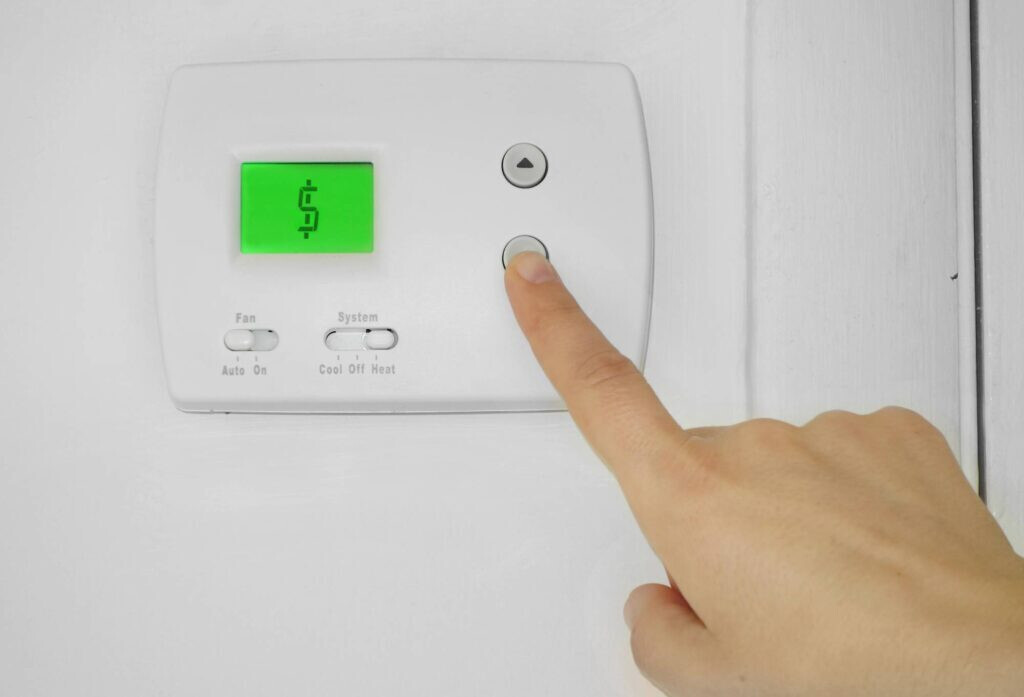
As winter temperatures drop, homeowners face a familiar daily puzzle before stepping out the door: Is it cheaper to turn the heating off completely, or leave it running at a lower setting?
According to energy efficiency guidelines, the most cost-effective strategy depends heavily on how long the house will be empty and how well it retains heat. For homes equipped with radiant floor heating, letting the floors cool down entirely is often counterproductive, as reheating dense flooring materials from scratch requires a surge of energy.
Adjust, Don't Shut Down
For quick errands or an evening out, energy experts advise simply dialing the thermostat down by 1 to 2 degrees Celsius rather than powering the system off. This keeps the thermal mass of the floor warm enough to recover quickly once you return, without burning excess fuel while you are away.
Many modern boilers feature an "Away" or "Vacation" mode, though consumers should check their manuals before relying on it. Depending on the manufacturer, this setting might either trigger the heater only when temperatures drop to a bare minimum or cycle the system on briefly every few hours. Meanwhile, residents connected to central district heating systems benefit most from keeping indoor temperatures steady, avoiding sharp drops and spikes. If you are traveling for days during a deep freeze, never cut the main power to the unit, as stagnant water in the pipes can freeze and burst.
Trapping the Heat Inside
Generating heat is only half the battle; preventing it from escaping is equally vital for lowering utility bills. Because heat naturally flows toward colder areas, a large temperature gap between the inside and outside accelerates heat loss.
To keep warmth inside:
Upgrade window insulation: Seal noticeable drafts around window frames and hang heavy, thermal-lined curtains.
Use solar heat: Keep curtains open during sunny afternoon hours to naturally warm the room, then draw them shut immediately at dusk to trap the heat.
Ventilate smartly: Stale winter air still needs to be refreshed, but leaving a window cracked all day drains warmth from walls and furniture. Instead, throw windows wide open for five to ten minutes to swap the air rapidly without cooling down the room's surfaces.
Ultimately, smart winter heating comes down to balance—matching your thermostat settings to your schedule while sealing up the leaks that let expensive warmth slip away.
[Copyright (c) Global Economic Times. All Rights Reserved.]