![[등록] 2026-09-01 15:48:31](/support/_updata/banner2/tl181982910_6749.png)


The U.S. federal courts have delivered consecutive legal setbacks to President Donald Trump's administration regarding key electoral and immigration policies ahead of the upcoming midterm elections. These rulings temporarily halt major changes that critics argued would disenfranchise millions of voters and disrupt the nation's higher education system.
Supreme Court Halts Mail-In Voting Rules
The U.S. Supreme Court rejected an emergency request by the administration to enforce new rules restricting mail-in voting. The high court noted that the administration was unlikely to succeed on the merits of the underlying lawsuit.
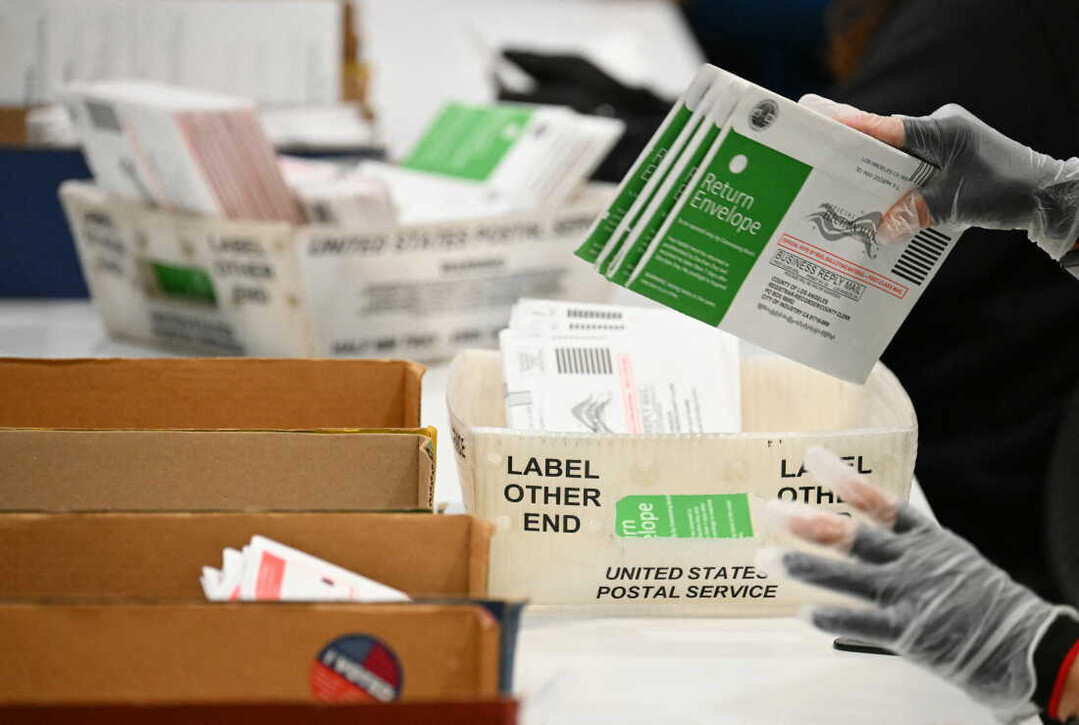
The executive order, originally signed in March, sought to establish a unified barcode requirement for mail-in envelopes and mandate that the U.S. Postal Service only deliver ballots for states that submitted official voter participation data. Democratic leaders and voting rights organizations welcomed the decision, warning that sudden implementation close to the election would have caused widespread chaos and stripped millions of their right to vote. While the legal battle is paused for the midterms, experts anticipate litigation could resume after the elections conclude.
Federal Judge Blocks Visa Limits for Students and Journalists
In a separate ruling, U.S. District Judge F. Dennis Saylor in Boston issued a preliminary injunction blocking the Department of Homeland Security from implementing new restrictions on foreign visas just a day before they were set to take effect.
The blocked policy aimed to eliminate the long-standing "duration of status" framework, capping F-1 student visas and J exchange visitor visas at a maximum of four years. It also sought to limit I visas for foreign journalists to 240 days. Judge Saylor criticized the administration's rationale as exceptionally weak, warning that the changes would impose catastrophic financial and enrollment damages on major research universities like Harvard and MIT while harming U.S. global competitiveness and economic growth.
As the legal proceedings continue, the traditional visa and mail-in voting structures remain protected, ensuring stability for both the academic community and the upcoming electoral process
[Copyright (c) Global Economic Times. All Rights Reserved.]