![[등록] 2026-09-01 15:48:31](/support/_updata/banner2/tl181982910_6749.png)


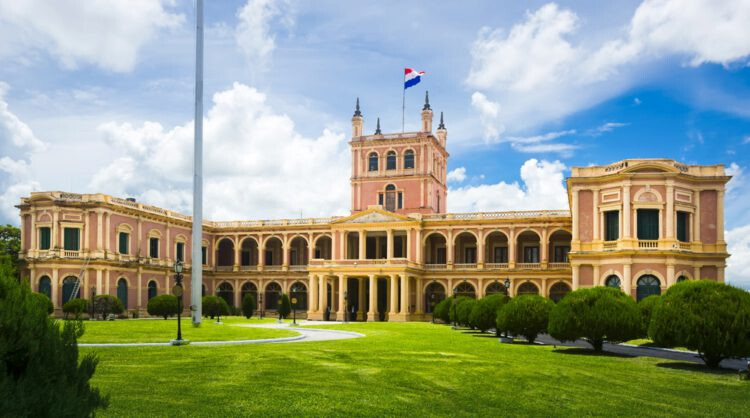
A large-scale tender for the purchase of electronic voting machines for Paraguay's upcoming elections has been suspended for the third time due to allegations of political interference, intensifying concerns about the transparency and fairness of the electoral process. The approximately $93 million (KRW 130.1 billion) bid, 추진 by the Superior Tribunal of Electoral Justice (TSJE), has been plagued by controversies surrounding attempts to set conditions favorable to specific companies and allegations of the ruling Colorado Party's Cartismo faction gaining control of the electoral commission.
According to a report by Paraguayan media outlet La Política Online on May 11th (local time), the opening of bids for the electronic voting machines, initially scheduled for May 12th this week, has been postponed indefinitely until further notice. This delay is a result of accumulated grievances regarding six alleged attempts to illegally influence the bidding criteria and conditions during the process.
The TSJE had planned to secure between 25,000 and 30,000 electronic voting machines in preparation for the upcoming elections. This substantial quantity aimed to ensure the smooth conduct of the elections and provide sufficient resources for voter education, with the introduction of an electronic voting system intended to enhance the efficiency and accuracy of the polls.
However, the bidding process has been marred by issues from the outset. Several companies, including South Korean firms, expressed interest in participating. Nevertheless, allegations of unfair practices arose, with some suggesting that the bidding conditions were designed to unduly favor specific companies, particularly ITTI and Technoma, reportedly linked to the president.
In response to these concerns, Cristian Ruiz Díaz, the Director of Political Financing at the TSJE, strongly refuted the complaints raised by the South Korean companies, labeling them as "malicious" and intended to delay the bidding process. He asserted that a fierce "trade war" was underway between the competing companies, with rivals allegedly hiring or utilizing individuals in the media and social media to attack each other. Díaz emphasized that the court would not be swayed by such external pressure and would work transparently with the National Directorate of Public Procurement (DNCP) to ensure that the bidding conditions solely align with the interests of the institution, democracy, and the nation.
The opposition, however, views the situation with deep skepticism. They strongly suspect the presence of illegal elements throughout the bidding process and express grave concerns about the profound political interference by the ruling Cartismo faction. Arnaldo Franco, the campaign manager for Arnaldo Wiens and a former senator, stated, "It is an open secret that there is strong political intervention in the electronic ballot box bidding process." He further emphasized that "the right to vote is a fundamental and inviolable right of the people, and we express serious concern about the circumstances that suggest an attempt to push through a bid for a specific institution."
Adding to the controversy amidst the bidding suspension is the successful takeover of the Electronic Voting Machine Control Committee by the Cartismo faction and its allies. This committee was newly formed at the proposal of Natalicio Chase, a key figure in the ruling Cartismo faction, to establish a control system for the electronic voting system ahead of the next local elections. Arnaldo Samaniego was elected as the committee's representative, and other ruling party figures, including Óscar Salomón and Juan Carlos Galaverna, were appointed as members. While a few opposition figures were included, the ruling Honor Colorado party also made a gesture of conceding some seats to dissident factions. The committee is scheduled to hold regular meetings every Thursday morning.
Paraguay had previously amended its electoral law through Law No. 6318 in 2019, introducing closed, open, and proportional representation list systems for multi-seat elections. This new system was first applied in the 2021 local elections, the 2022 simultaneous primary elections for some parties, and the 2023 general elections. As this law mandates the use of electronic voting machines, the current bidding process holds significant importance.
The repeated suspension of the electronic voting machine bid and the allegations of political interference can be interpreted as a serious challenge to Paraguay's democratic processes. Elections are the cornerstone of democracy, and the transparency and fairness of the process are essential for gaining public trust. Attempts to conduct the bidding under the influence of specific powers and to seize control of the electoral system raise serious questions about the impartiality of the election results, which could undermine the very foundations of democracy.
The international community is also closely monitoring the situation in Paraguay. Fair elections are crucial for gaining international trust and are a vital foundation for national stability and development. If the current bidding controversy prolongs, Paraguay could face international criticism, potentially leading to damage to its national image and even economic disadvantages.
Moving forward, the Paraguayan government and electoral authorities must make active efforts to resolve this controversy transparently and fairly. It is necessary to disclose all stages of the bidding process, ensure fairness through independent oversight bodies, and engage in sincere communication to address the concerns of all stakeholders. Furthermore, the operation of an impartial electoral commission, free from political influence, will play a crucial role in restoring the transparency of the elections and public trust.
The current controversy surrounding Paraguay's electronic voting machine bid, despite the positive goal of technological adoption, highlights how political interests and opaque procedures can undermine democratic values. The international community is keenly watching whether Paraguay can overcome this crisis and establish a transparent and fair electoral system that restores public confidence.
[Copyright (c) Global Economic Times. All Rights Reserved.]