• 2026.11.11 (Wed)
  • All articles
  • LOGIN
  • JOIN
Global Economic Times
[등록] 2026-09-01 15:48:31
  • Synthesis
  • World
  • Business
  • Industry
  • ICT
  • Distribution Economy
  • Well+Being
    • Pet Life
    • Halal Horizon
  • Travel
  • Eco-News
  • Education
  • Korean Wave News
  • Opinion
  • Arts&Culture
  • Sports
  • People & Life
    • International Student Report
    • With Ambassador
  • Column
    • Cho Kijo Column
    • Cherry Garden Story
    • Ko Yong-chul Column
    • Kim Bong-seon's Photo Column
    • Kim Seul-Ong Column
    • Lee Yeon-sil Column
  • Photo News
  • New Book Guide
MENU
 
Home > Well+Being

Shift in Insomnia Treatment Paradigm: Experts Emphasize Calming Brain Arousal Over Forced Sedation

Graciela Maria Reporter / Updated : 2026-11-11 05:01:40
  • -
  • +
  • Print


SEOUL — Modern insomnia care is undergoing a conceptual transformation. Rather than relying on traditional sedatives that chemically force the brain into sleep, medical professionals are increasingly pointing toward target-based therapies that quiet excessive neurological alertness.

Beyond a Secondary Symptom

Historically, sleep disorders were frequently dismissed as side effects or secondary symptoms of other underlying health conditions. However, clinical consensus has shifted dramatically over the past decade. The International Classification of Sleep Disorders formally recognizes insomnia as an independent medical condition, categorizing cases into acute and chronic based on a three-month threshold.

Experts note that insomnia manifests in complex ways. While some patients experience a genuine deficit in sleep quantity due to acute stress, others suffer from poor sleep quality—characterized by fragmented sleep cycles and low sleep density—even if their total hours in bed appear adequate. Regardless of the exact pattern, untreated chronic insomnia severely degrades daytime functioning, driving chronic fatigue, cognitive decline, and mood disturbances.

The Limits of Conventional Care

For chronic insomnia, Cognitive Behavioral Therapy for Insomnia (CBT-I) remains the gold standard. By restructuring sleep habits, lowering hyperarousal, and optimizing time spent in bed, CBT-I addresses the root behavioral drivers of sleeplessness.

Yet, practical hurdles remain. In fast-paced healthcare environments, delivering comprehensive behavioral therapy is often constrained by a lack of time and specialized personnel. Consequently, physicians have historically relied heavily on traditional sedative-hypnotics to help patients fall asleep quickly.

However, conventional sleeping pills come with notable trade-offs. By globally depressing brain activity, these medications frequently cause next-day grogginess, residual daytime sleepiness, and parasomnias like sleepwalking. For elderly populations, even mild sedative effects can drastically elevate the risk of accidental falls and injuries.

A New Class of Therapeutics: Targeting Orexin

To address these limitations, treatment priorities have evolved. Modern insomnia management evaluates success not just by how fast a patient falls asleep, but by their ability to function clearly the following day without residual fatigue or chemical dependency risks.

This shift has fueled the adoption of Dual Orexin Receptor Antagonists (DORAs). Orexin is a key neurotransmitter responsible for maintaining wakefulness and arousal in the brain. While a deficiency in orexin leads to narcolepsy, selectively inhibiting excessive orexin signaling allows physicians to dial down hyper-arousal rather than brute-force sedation.

Newer DORA-class medications, such as lemborexant, have demonstrated strong safety and tolerability profiles in large-scale clinical trials. Medical specialists suggest that these targeted options offer a safer profile for vulnerable demographics, such as older adults.

A Comprehensive Approach Is Still Required

Despite pharmaceutical advancements, sleep specialists emphasize that drugs are only one tool in a larger toolkit. CBT-I remains fundamental to long-term recovery for chronic sufferers.

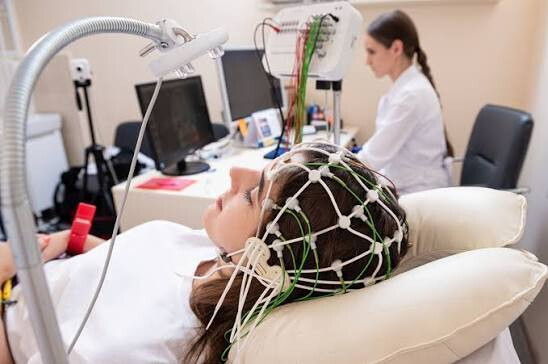
Patients struggling with persistent sleep disturbances are advised to seek professional medical evaluation. Because individuals often misjudge their actual sleep duration versus perceived sleep, objective diagnostic assessments are vital to uncovering the root causes and establishing a personalized, sustainable treatment plan.

[Copyright (c) Global Economic Times. All Rights Reserved.]

  • #Cherry Garden
  • #HalalFood
  • #Halal
  • #Petlife
  • #Halalhorizone
  • #Hormuz Impasse
  • #globaleconomictimes
  • #micorea
  • #mykor
Graciela Maria Reporter

Popular articles

  • K-Beauty’s New Frontier: Halal Certification Fuels Explosive Growth in Muslim Markets

  • U.S. President Pledges to Keep Aggressive Tariff Stance Following Midterm Setback

  • "For $6.70 a Month, AI Diagnoses Acne and Prescribes Medication"—AI "Medical Care" That Bypasses Hospitals Emerges

I like it
Share
  • Facebook
  • X
  • Kakaotalk
  • LINE
  • BAND
  • NAVER
  • https://globaleconomictimes.kr/article/1065556835156816 Copy URL copied.
Comments >

Comments 0

Weekly Hot Issue

  • JTBC Initiates Formal Sale Process to Find a Strategic Buyer
  • Miky Lee Honored with Asian Hall of Fame’s Centennial Medal for Pioneering Global K-Culture
  • The Harsh Reality of K-Pop: Why Small Agency Idols Struggle to Survive Beyond Three Years
  • Regional Tourism in South Korea Struggles as Infrastructure Lags Behind Inbound Airport Growth
  • K-Pop Giants Unite: Joint Venture Formed to Organize Mega-Festival 'Phenomenon'
  • US "Blue Wave" Fades as KOSPI Recovers Past 5,200: Inflation Remains the Key Variable for Future Rallies

Most Viewed

1
US Army Conducts Rare Temporary Burial Drills to Prepare for Worst-Case Large-Scale War Scenarios
2
World Citizens are Flying Directly to Busan... The Era of 4 Million Foreigners is Just Around the Corner
3
Eating 100g of Baechu Kimchi Daily Linked to Lower High-Cholesterol Risks
4
Meeting Christmas Early!… Busan Dessert Sales Event "Daldal The Market" Held
5
From Kim Whanki to Pokémon Cards... Seoul Auction Opens the Floodgates
체리가든 스토리
nutri huevos
로타리
동포저널

Hot Issue

Jensen Huang Faces Shareholder Class Action and Leadership Scrutiny Amid Espionage Allegations Involving Former Associate

Disgraced South Korean Scientist Hwang Woo-suk Becomes UAE Citizen

Is South Korea Heading Toward France's Path? Aging Population and Fiscal Pressures Looming Ahead

Fashion Runway Show 2026

Let’s recycle the old blankets in Jeju Island’s closet instead of incinerating them.

Global Economic Times
korocamia@naver.com
CEO : LEE YEON-SIL
Publisher : KO YONG-CHUL
Registration number : Seoul, A55681
Registration Date : 2024-10-24
Youth Protection Manager: KO YONG-CHUL
Singapore Headquarters
5A Woodlands Road #11-34 The Tennery. S'677728
Korean Branch
Phone : +82(0)10 4724 5264
#304, 6 Nonhyeon-ro 111-gil, Gangnam-gu, Seoul
Copyright © Global Economic Times All Rights Reserved
  • News K
  • 반달곰 프로젝트
  • 광고문의
Search
Category
  • All articles
  • Synthesis
  • World
  • Business
  • Industry
  • ICT
  • Distribution Economy
  • Well+Being 
    • 전체
    • Pet Life
    • Halal Horizon
  • Travel
  • Eco-News
  • Education
  • Korean Wave News
  • Opinion
  • Arts&Culture
  • Sports
  • People & Life 
    • 전체
    • International Student Report
    • With Ambassador
  • Column 
    • 전체
    • Cho Kijo Column
    • Cherry Garden Story
    • Ko Yong-chul Column
    • Kim Bong-seon's Photo Column
    • Kim Seul-Ong Column
    • Lee Yeon-sil Column
  • Photo News
  • New Book Guide
  • Overseas Koreans
  • Multicultural News