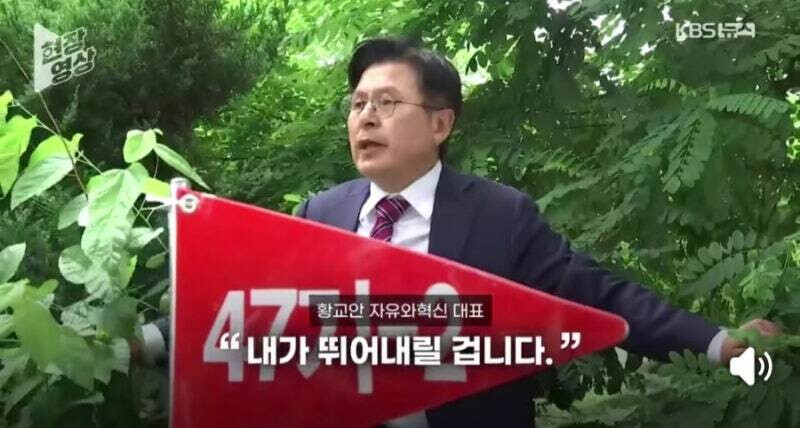
SEOUL, Nov. 27 — A South Korean special counsel team has requested a 10-year prison sentence for former Prime Minister Hwang Kyo-ahn, accusing him of inciting insurrection and obstructing justice in connection with last year’s December 3 emergency martial law declaration.
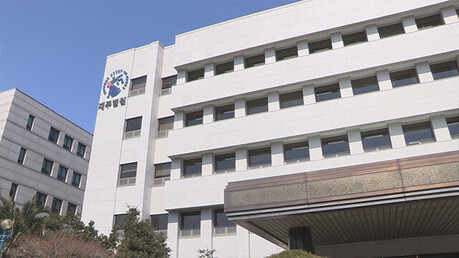
During the final hearing at the Seoul Central District Court on Thursday, Special Counsel Cho Eun-seok’s team argued that Hwang, who currently leads the Liberty and Innovation Party, leveraged his stature as a former justice minister and prime minister to undermine constitutional order.
The charges stem from social media posts Hwang published on the night martial law was declared. According to the prosecution, Hwang called for the eradication of alleged "pro-North Korea and election-fraud forces" and explicitly urged the arrest of National Assembly Speaker Woo Won-shik and then-ruling People Power Party leader Han Dong-hoon for opposing the decree. Additionally, prosecutors charged him with obstructing official duties after he allegedly locked himself inside his home during a search-and-seizure operation and called on his followers via social media to wage an "all-out war" against investigators.
Prosecutors contended that posting such messages to a public account with roughly 80,000 followers posed a direct and immediate threat of sparking civil unrest, drawing a sharp contrast to past insurrection cases involving closed-door meetings. They emphasized that under South Korean law, incitement to insurrection is punishable regardless of whether a full-scale rebellion ultimately succeeds.
Hwang and his legal team firmly rejected the accusations, arguing that his online statements were protected political opinions rather than actionable calls to violence. Defense attorneys maintained that the prosecution failed to prove any intent to overthrow the constitutional order.
Taking the stand for his final statement, Hwang cited his own background as a former public security prosecutor to argue that the martial law proclamation itself did not legally amount to insurrection. He warned that convicting him over social media commentary would set a dangerous precedent for censoring the free speech of ordinary citizens.
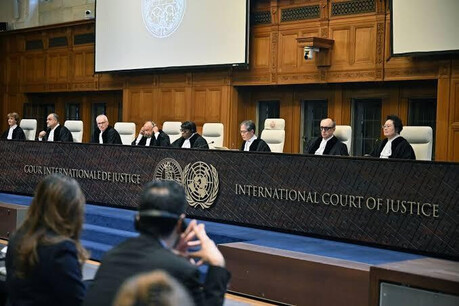
The court concluded trial proceedings following the arguments and scheduled the final verdict for January 28 next year.
[Copyright (c) Global Economic Times. All Rights Reserved.]