![[등록] 2026-09-01 15:48:31](/support/_updata/banner2/tl181982910_6749.png)


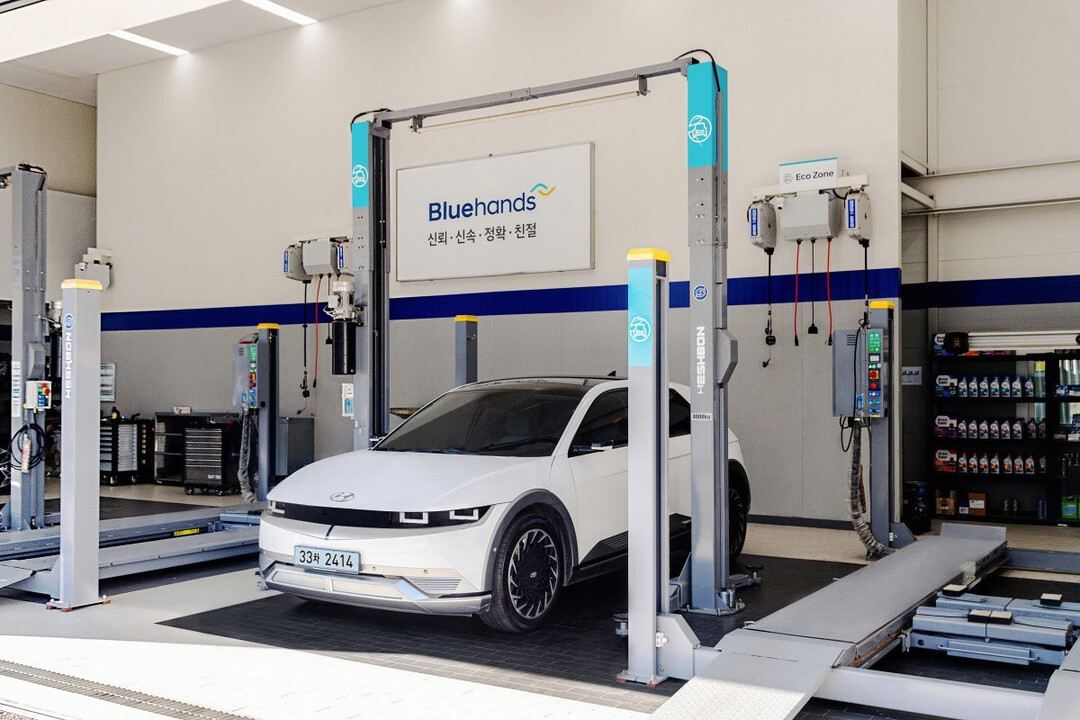
SEOUL — Following the South Korean government's official release of its comprehensive electric vehicle fire safety policy guidelines on Friday, domestic automotive giants Hyundai Motor Company and Kia Corporation unveiled an ambitious suite of supplementary safety initiatives. The proactive measures aim to soothe heightened consumer anxiety surrounding EV battery stability and reinforce national emergency response capabilities.
Under the core components of the initiative, Hyundai and Kia announced that they will provide free annual EV inspection services to all customers, regardless of whether their vehicle's standard warranty period has expired. Furthermore, the automakers are actively moving to double the free provision period for their "Battery Diagnostic Customer Notification" service from the previous five years to ten years.
To ensure swift intervention during emergency scenarios, Hyundai and Kia are also developing an integrated communication architecture that rapidly transmits real-time indicators of battery abnormalities directly to local fire authorities. By facilitating early detection, the system aims to secure critical "golden time" for firefighters to contain thermal runaway events before they escalate.
Beyond digital diagnostics, Hyundai and Kia pledged a financial commitment of 5.6 billion KRW over the next three years toward the joint development of specialized EV fire response technologies. This collaborative research project brings together the National Fire Agency's Fire Research Institute, the Korean Society of Automotive Engineers (KSAE), and five prominent domestic universities. By the end of this year, the coalition aims to complete an AI-powered surveillance system capable of detecting vehicle fires via CCTV footage, followed by advanced research into specialized extinguishing mechanisms and realistic firefighting training simulators.
Concurrently, KG Mobility (KGM) announced that it has completed the development of vehicle software designed to share real-time battery status data with external platforms, including government monitoring bodies and charging service operators. The company is currently conducting interoperability testing with major charger manufacturers to ensure seamless data transmission during charging sessions.
Despite active participation from domestic automakers, industry experts express caution regarding whether foreign automotive brands will adopt non-binding safety protocols. Moon Hak-hoon, a professor in the Department of Future Electric Vehicles at Osan University, noted that it remains uncertain whether import brands will voluntarily align with government recommendations—such as providing free software updates for legacy Battery Management Systems (BMS)—without explicit legal mandates.
Meanwhile, the government's decision to grant a one-year grace period for the mandatory expansion of EV parking zones and charging infrastructure—delaying implementation originally scheduled for January next year—has drawn mixed reactions. An insider from the automotive manufacturing sector emphasized that regulatory adjustments must be handled carefully so as not to dampen the momentum for nationwide EV infrastructure adoption.
As South Korea recalibrates its EV policy landscape, the aggressive safety commitments made by Hyundai, Kia, and KGM reflect a concerted effort to rebuild public trust through enhanced diagnostics, extended service accountability, and joint public-private safety research.
[Copyright (c) Global Economic Times. All Rights Reserved.]