![[등록] 2026-09-01 15:48:31](/support/_updata/banner2/tl181982910_6749.png)


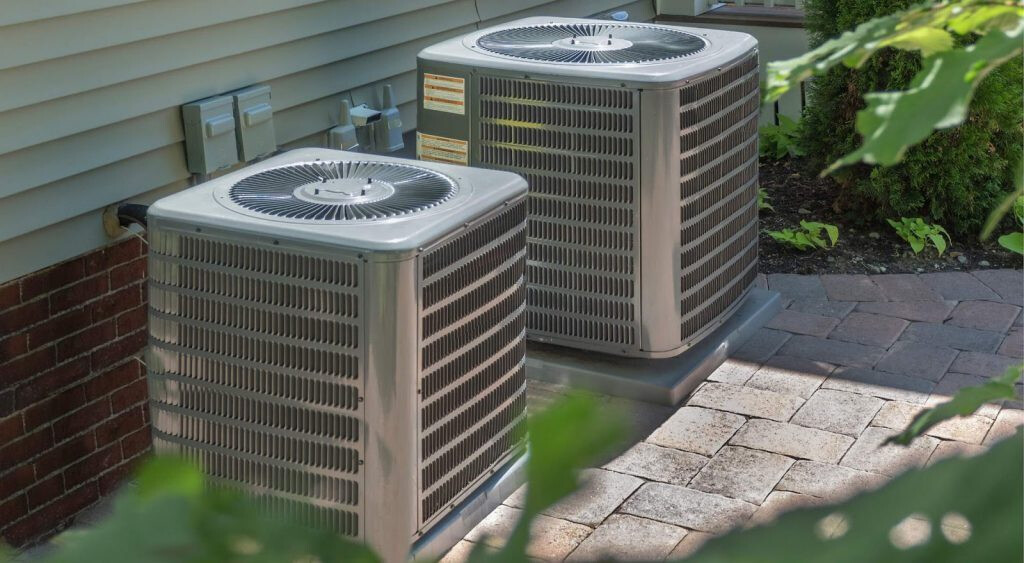
With unrelenting heat waves gripping the nation, countless households have kept their air conditioners running nearly around the clock. While these cooling systems are essential for enduring the sweltering summer, a growing sense of anxiety is brewing over the electricity bills that will arrive next month. As residential electricity consumption surges during the summer months, many families fear hitting the high-cost thresholds of Korea’s progressive pricing system.
Understanding the Progressive Pricing System
According to the Korea Electric Power Corporation (KEPCO), South Korea employs a "progressive" (or tiered) electricity tariff structure for residential customers, designed to encourage energy conservation by applying higher rates as usage increases.
However, to provide relief during the peak heat of summer, KEPCO temporarily expands the progressive thresholds for July and August. For low-voltage residential customers, the tiered structure is divided as follows:
Tier 1: Up to 300 kWh (120.0 KRW per kWh)
Tier 2: 301–450 kWh (214.6 KRW per kWh)
Tier 3: Over 450 kWh (307.3 KRW per kWh)
Crucially, this system does not mean that if your total usage exceeds 450 kWh, the entire bill is calculated at the highest rate. Instead, it follows a "bracket" method: the first 300 kWh are charged at the Tier 1 rate, the next 150 kWh at the Tier 2 rate, and only the consumption exceeding 450 kWh incurs the Tier 3 rate. Therefore, crossing a threshold does not result in an immediate "price bomb," but rather a gradual increase in the cost per unit as usage grows.
More Than Just Air Conditioning
Experts point out that the final monthly bill is not determined solely by the air conditioner’s run-time. It is the aggregate of all household appliances—including refrigerators, TVs, and washing machines—coupled with fixed costs such as the base rate, climate-environment fees, and fuel-cost adjustment factors.
KEPCO has decided to keep the fuel-cost adjustment rate at +5 won per kWh for the third quarter of 2026, aiming to provide a measure of stability for households despite ongoing global energy price volatility.
Smart Management for a Cooler Summer
Rather than drastically reducing cooling at the risk of heat exhaustion, it is more effective to monitor one’s real-time usage. KEPCO’s official service platform, “KEPCO ON”, allows users to check their current usage and estimate their upcoming bills, providing transparency that can help families adjust their habits before the monthly statement arrives.
To optimize energy efficiency, energy experts offer several practical tips:
Understand Your AC Type: For modern "inverter-type" air conditioners, it is often more energy-efficient to leave the unit running at a steady, moderate temperature (around 26°C) rather than frequently turning it off and on.
Maximize Circulation: Using an electric fan or air circulator alongside the air conditioner helps distribute cold air more effectively, reducing the workload on the compressor.
Maintain the Unit: Regularly cleaning air conditioner filters can significantly improve cooling efficiency and lower electricity consumption.
Outdoor Unit Care: Ensure that the outdoor unit has proper ventilation and is free of debris. If possible, shading the outdoor unit from direct sunlight can also improve performance.
Ultimately, navigating the summer heat in Korea is about balance. By understanding how electricity is calculated and adopting smarter usage habits, residents can keep their homes comfortable without dreading the arrival of their next utility bill.
[Copyright (c) Global Economic Times. All Rights Reserved.]