• 2026.03.07 (Sat)
  • All articles
  • LOGIN
  • JOIN
Global Economic Times
fashionrunwayshow2026
  • Synthesis
  • World
  • Business
  • Industry
  • ICT
  • Distribution Economy
  • Well+Being
  • Travel
  • Eco-News
  • Education
  • Korean Wave News
  • Opinion
  • Arts&Culture
  • Sports
  • People & Life
    • International Student Report
    • With Ambassador
  • Column
    • Cho Kijo Column
    • Cherry Garden Story
    • Ko Yong-chul Column
    • Kim Seul-Ong Column
    • Lee Yeon-sil Column
  • Photo News
  • New Book Guide
MENU
 
Home > Business

South Korea Sees Surge in Youth Unemployment as Mismatch Between Jobs and Skills Worsens

Desk / Updated : 2025-01-29 22:43:16
  • -
  • +
  • Print

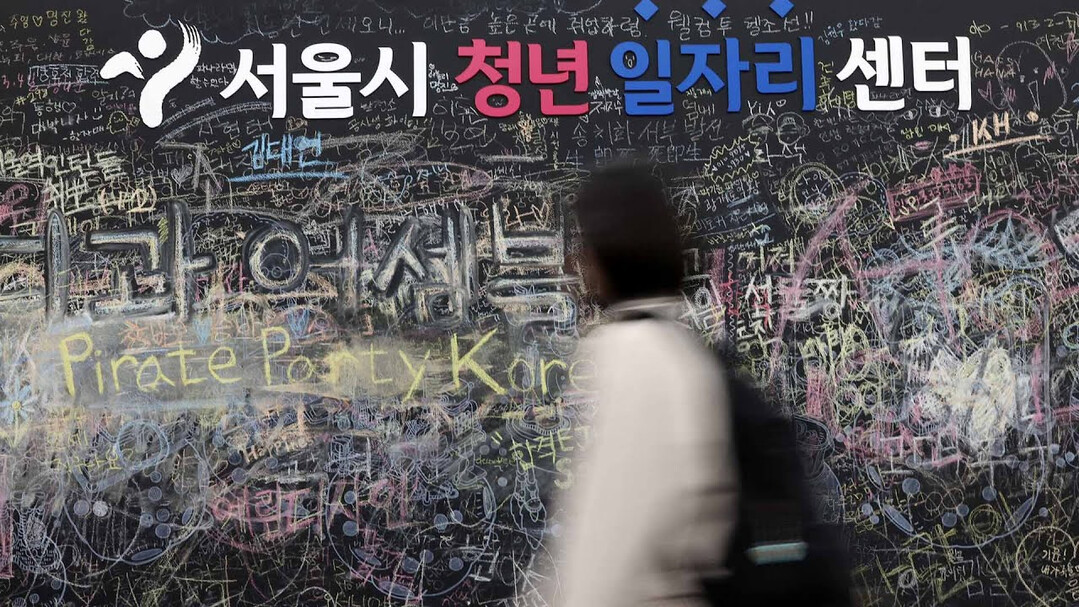
Seoul, South Korea – A growing number of South Korean youth are choosing to remain unemployed despite being capable of working, according to recent data from the Korea National Statistical Office. The number of young people aged 15-29 who reported being "inactive" in the labor market surged to a four-year high in 2023, surpassing 420,000.

This significant increase is attributed largely to a widening mismatch between the skills and qualifications of young job seekers and the demands of the available job market. More than half of the inactive youth reported actively seeking employment in the previous month but were unable to find suitable positions.

The data revealed that a substantial portion of inactive youth held degrees from universities or colleges, with engineering, business, and administration being the most common fields of study. Despite their qualifications, these graduates found themselves unable to secure jobs that met their expectations in terms of salary and working conditions.

Key findings from the survey include:

Skills Mismatch: A significant portion of inactive youth cited a lack of suitable jobs with the desired salary and working conditions as the primary reason for their unemployment.
Educational Background: A large number of inactive youth held degrees from universities or colleges, highlighting the challenges faced by even highly educated young people.
Prolonged Unemployment: Many inactive youth reported not actively seeking employment for over a year.
Lack of Job Prospects: A substantial number of inactive youth believed that there were no suitable jobs available in their local area or that their skills and experience were not a good match for the available positions.
Experts attribute the rising youth unemployment to a combination of factors, including economic uncertainty, technological advancements that are reshaping the job market, and a mismatch between the skills taught in educational institutions and the skills demanded by employers.

The South Korean government has implemented various policies to address youth unemployment, such as providing vocational training, job placement services, and financial support for startups. However, the persistence of the problem highlights the need for more comprehensive and long-term solutions.

[Copyright (c) Global Economic Times. All Rights Reserved.]

Desk
Desk

Popular articles

  • Samsung TV Plus Surpasses 100 Million Monthly Active Users, Solidifying Leadership in Global FAST Market

  • South Korean Conglomerates Pledge 270 Trillion Won for Regional Investment to Boost Jobs and Growth

  • Mixed U.S. Employment Data Sparks Wall Street Retreat; Fed Shifts Focus to Inflation

I like it
Share
  • Facebook
  • X
  • Kakaotalk
  • LINE
  • BAND
  • NAVER
  • https://globaleconomictimes.kr/article/1065620512990588 Copy URL copied.
Comments >

Comments 0

Weekly Hot Issue

  • The "Hormuz Nightmare": Global Economy Trembles as Oil Approaches $150
  • U.S. Labor Market Faces Cold Snap: Payrolls Plummet by 92,000 as Unemployment Edges Up to 4.4%
  • White House Forecasts Victory in Iran Within 6 Weeks; Trump Demands "Unconditional Surrender"
  • Global Energy Crisis Ignites as Hormuz Blockade Pushes Oil Past $90; Experts Warn of $150 Peak
  • A Street in Cairo in French… From Dakar to Paris!
  • Blackpink Hits "Absolute Zenith": Rolling Stone and Billboard Spotlight Global Icons' Resurgence

Most Viewed

1
Adwa’s Echo in Korea: A Shared Story of Dignity and Freedom
2
2026, The Grand Year of Hangeul Celebration — The River of History Where Five Streams Converge
3
A New Milestone for Ukraine’s Post-War Reconstruction: The Birth of ISVP
4
Mexican currency and the powerful history behind its designs
5
Revised and Expanded Edition of ‘Failure of Negotiations with North Korea: Truth and Solutions’ Published
광고문의
임시1
임시3
임시2

Hot Issue

Hanwha Aerospace Solidifies Baltic Stronghold with $330M Defense Investment in Estonia

From $20 to $400: The Explosive "Vintage Digicam" Craze Gripping Korea’s Gen Z and Millennials

Future on Three Wheels: Aptera Delivers World's First Solar-Powered Electric Vehicle

S. Korea Secures 6 Million Barrels of UAE Crude Amid Hormuz Blockade; Evacuation of Citizens Underway

Let’s recycle the old blankets in Jeju Island’s closet instead of incinerating them.

Global Economic Times
korocamia@naver.com
CEO : LEE YEON-SIL
Publisher : KO YONG-CHUL
Registration number : Seoul, A55681
Registration Date : 2024-10-24
Youth Protection Manager: KO YONG-CHUL
Singapore Headquarters
5A Woodlands Road #11-34 The Tennery. S'677728
Korean Branch
Phone : +82(0)10 4724 5264
#304, 6 Nonhyeon-ro 111-gil, Gangnam-gu, Seoul
Copyright © Global Economic Times All Rights Reserved
  • 에이펙2025
  • APEC2025가이드북TV
  • 독도는우리땅
Search
Category
  • All articles
  • Synthesis
  • World
  • Business
  • Industry
  • ICT
  • Distribution Economy
  • Well+Being
  • Travel
  • Eco-News
  • Education
  • Korean Wave News
  • Opinion
  • Arts&Culture
  • Sports
  • People & Life 
    • 전체
    • International Student Report
    • With Ambassador
  • Column 
    • 전체
    • Cho Kijo Column
    • Cherry Garden Story
    • Ko Yong-chul Column
    • Kim Seul-Ong Column
    • Lee Yeon-sil Column
  • Photo News
  • New Book Guide
  • Multicultural News
  • Jobs & Workers