• 2026.04.21 (Tue)
  • All articles
  • LOGIN
  • JOIN
Global Economic Times
fashionrunwayshow2026
  • Synthesis
  • World
  • Business
  • Industry
  • ICT
  • Distribution Economy
  • Well+Being
  • Travel
  • Eco-News
  • Education
  • Korean Wave News
  • Opinion
  • Arts&Culture
  • Sports
  • People & Life
    • International Student Report
    • With Ambassador
  • Column
    • Cho Kijo Column
    • Cherry Garden Story
    • Ko Yong-chul Column
    • Kim Seul-Ong Column
    • Lee Yeon-sil Column
  • Photo News
  • New Book Guide
MENU
 
Home > Business

Dar es Salaam Embraces CNG for BRT Phase II, Promising Economic and Environmental Gains

Hee Chan Kim Reporter / Updated : 2025-01-09 17:26:46
  • -
  • +
  • Print

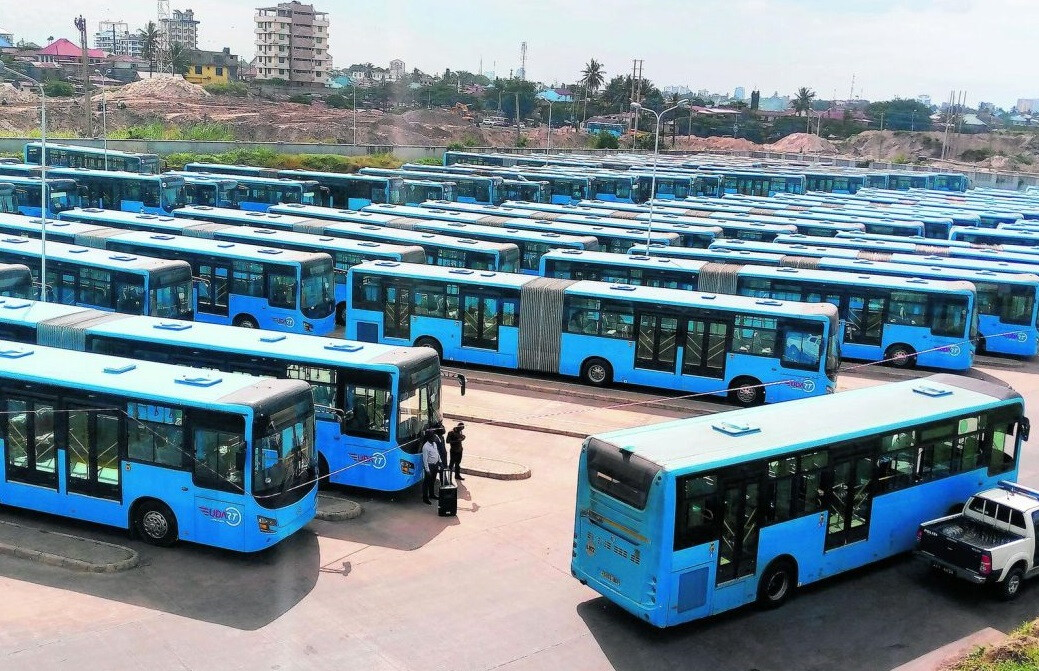
Dar es Salaam, Tanzania - The Dar es Salaam Rapid Transit (DART) agency has taken a significant step towards a greener and more cost-effective public transport system by introducing Compressed Natural Gas (CNG) to its fleet of 755 buses operating under BRT Phase II. This move has garnered widespread optimism from experts, who anticipate substantial economic and environmental benefits.

Analysts are particularly enthusiastic about the potential for CNG to dramatically reduce operational costs, slash carbon emissions, and enhance the efficiency of public transportation. DART has now invited qualified suppliers and investors to submit expressions of interest for the supply of CNG to fuel its entire fleet.

The selected supplier will be responsible for constructing and operating the necessary CNG refueling infrastructure, including both "mother" and "daughter" stations to ensure uninterrupted service. DART will oversee regulatory compliance, safety standards, and the overall operational effectiveness of the system.

Economic Benefits:

Reduced Operational Costs: CNG is significantly cheaper than traditional diesel, leading to substantial savings for DART and potentially lower fares for commuters.
Enhanced Economic Stability: By utilizing locally available CNG, the initiative reduces reliance on costly fuel imports, bolstering economic self-sufficiency and mitigating the impact of fluctuating global fuel prices.

Environmental Benefits:

Reduced Carbon Emissions: CNG produces significantly fewer harmful emissions than diesel, contributing to a cleaner environment and mitigating the impacts of climate change.
Improved Air Quality: By reducing diesel emissions, CNG will contribute to improved air quality in Dar es Salaam.

Public Support:

Commuters like Mr. Khalid Tagalile are optimistic about the potential for reduced fares, anticipating financial relief and a more affordable travel experience.

Government's Commitment:

This initiative aligns with the government's broader efforts to promote clean energy use and encourage the adoption of cleaner fuels across various sectors.

Conclusion:

The transition to CNG for DART's BRT Phase II represents a crucial step towards a more sustainable, eco-conscious, and economically empowered public transport system in Dar es Salaam. This move is expected to deliver significant economic and environmental benefits, benefiting both the city's residents and the broader economy.

[Copyright (c) Global Economic Times. All Rights Reserved.]

  • #globaleconomictimes
  • #seoulkorea
  • #periodicoeconomico
  • #글로벌이코노믹타임즈
  • #GET
  • #GETtv
  • #대한민국
  • #중기청
  • #재외동포청
  • #외교부
  • #micorea
  • #my
Hee Chan Kim Reporter

Popular articles

  • South Korea’s World Cup Destiny: A "Tale of Two Perspectives" Heading into North America 2026

I like it
Share
  • Facebook
  • X
  • Kakaotalk
  • LINE
  • BAND
  • NAVER
  • https://globaleconomictimes.kr/article/1065601497296021 Copy URL copied.
Comments >

Comments 0

Weekly Hot Issue

  • Theori Supplies ‘Xint,’ an AI-Powered Hacker Solution, to Samsung Electronics
  • Inzent Partners with Canada’s Solace to Accelerate Expansion in the Financial IT Market
  • FORCS to Unveil 'eformsign AI Assistant' at WIS 2026: A Revolution in AI-Powered Electronic Documents
  • [Interview] Chairman David Cha of ‘Ethiopia Bet’: "Building a House (Bet) of Self-Reliance Beyond Simple Relief"
  • Taiwanese Tourism Industry Experiences the Charm of Chungnam
  • A University Professor's Lament

Most Viewed

1
From the Alps to Seoul: Life in the Heart of Europe
2
$2 Million Per Ship: Iran’s "Hormuz Toll" Emerges as Chokepoint in Peace Talks
3
BYD Hits 10,000-Unit Milestone in South Korea Within One Year, Eyes Exclusive "10,000 Club" Entry
4
BOK Holds Rate Steady for Seventh Consecutive Meeting, Signaling End of Easing Cycle
5
Republican Party Faces "Total Crisis" as War and Inflation Cloud Midterm Outlook
광고문의
임시1
임시3
임시2

Hot Issue

Generative AI Use Triples Among Seoul Citizens, but Digital Divide Persists for Seniors

MAFRA Unveils Success in Integrated Rural Care: Synergizing Social Farming and Medical Services

Gov't Launches 'One-Team' Initiative to Transform Regional Airports into Tourism Hubs

Inzent Partners with Canada’s Solace to Accelerate Expansion in the Financial IT Market

Fashion Runway Show 2026

Global Economic Times
korocamia@naver.com
CEO : LEE YEON-SIL
Publisher : KO YONG-CHUL
Registration number : Seoul, A55681
Registration Date : 2024-10-24
Youth Protection Manager: KO YONG-CHUL
Singapore Headquarters
5A Woodlands Road #11-34 The Tennery. S'677728
Korean Branch
Phone : +82(0)10 4724 5264
#304, 6 Nonhyeon-ro 111-gil, Gangnam-gu, Seoul
Copyright © Global Economic Times All Rights Reserved
  • 에이펙2025
  • APEC2025가이드북TV
  • 반달곰 프로젝트
Search
Category
  • All articles
  • Synthesis
  • World
  • Business
  • Industry
  • ICT
  • Distribution Economy
  • Well+Being
  • Travel
  • Eco-News
  • Education
  • Korean Wave News
  • Opinion
  • Arts&Culture
  • Sports
  • People & Life 
    • 전체
    • International Student Report
    • With Ambassador
  • Column 
    • 전체
    • Cho Kijo Column
    • Cherry Garden Story
    • Ko Yong-chul Column
    • Kim Seul-Ong Column
    • Lee Yeon-sil Column
  • Photo News
  • New Book Guide
  • Multicultural News
  • Jobs & Workers