![[등록] 2026-09-01 15:48:31](/support/_updata/banner2/tl181982910_6749.png)


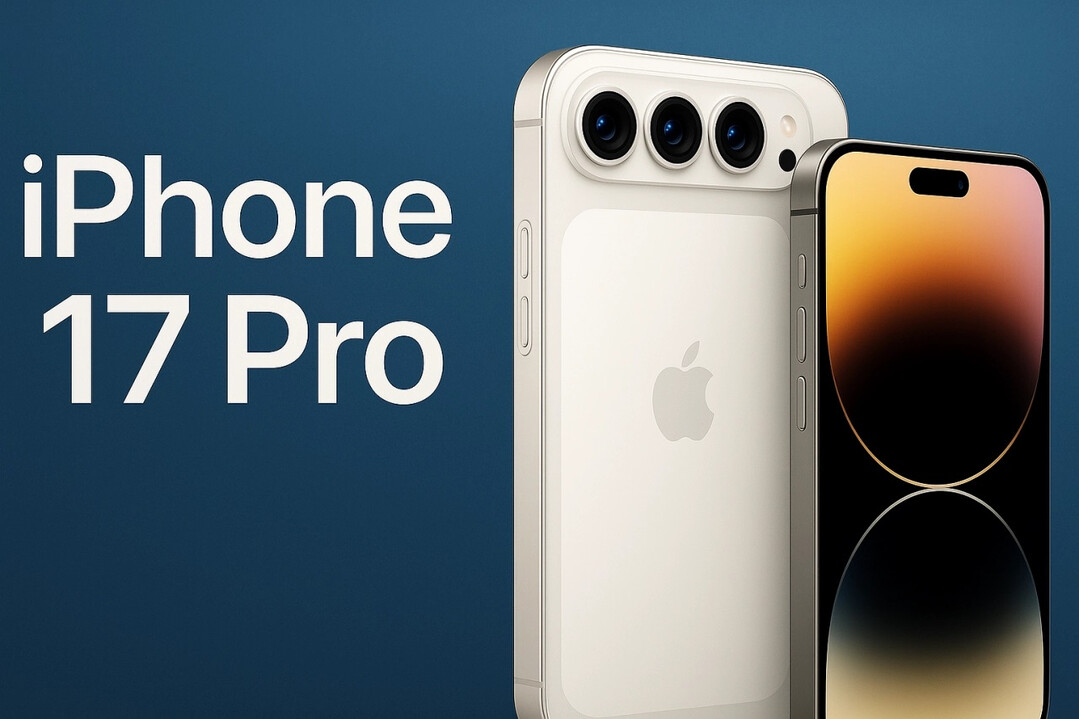
Apple, once the undisputed king of innovation, has faced a dual challenge recently: falling behind in the AI race and grappling with the threat of "Trump tariffs." However, with the upcoming launch of the iPhone 17, investors are watching to see if the tech giant can find a new path forward.
On August 26, Apple sent out invitations for a September 9 event to unveil new products, including the latest iPhone. Wall Street investors see this event as a critical barometer of whether Apple can re-establish itself as an "icon of innovation" in the age of AI.
The AI Challenge and Talent Drain
Since the launch of the original iPhone in 2007, Apple has been a leader in the IT industry. But the AI boom, ignited by OpenAI's ChatGPT, caught the company flat-footed. Competitors like Google have seamlessly integrated AI features like Gemini into their Android OS, giving them a significant head start.
While Apple attempted to address these concerns by announcing "Apple Intelligence" last year—a privacy-focused AI solution—the subsequent delay in the release of certain features only fueled more controversy. This led to a shake-up in the company's leadership, with Apple replacing its AI head, John Giannandrea, with Michael Rockwell in March. To make matters worse, key AI talent has been poached by other tech giants like Meta.
Rumors of Apple exploring acquisitions of AI startups like Mistral and Perplexity have circulated, but no concrete action has been taken, leaving many to wonder about Apple's long-term AI strategy.
Navigating the Tariff Tightrope
Beyond the AI struggle, the return of President Donald Trump to the White House has raised new concerns about tariffs. A 145% tariff on goods from China would have been a direct hit to Apple, which still heavily relies on Chinese manufacturing. While the Trump administration previously exempted Chinese-made smartphones, the constant threat of tariffs has created significant uncertainty and financial risk. Apple had previously estimated that tariffs could add up to $1.1 billion in costs during a single quarter.
In response, Apple has been rapidly diversifying its supply chain away from China, with a major focus on India. A Bloomberg report indicates that all iPhone 17 models will be produced in India. This move appears to be a shrewd one, as the U.S. will impose a 50% tariff on products from India starting on August 27, but smartphones are a designated exception. This strategic shift, combined with CEO Tim Cook's previous efforts to court the U.S. administration—including a promise of a $100 billion investment in American manufacturing—appears to be paying off.
A New Generation of iPhones and a Glimpse of the Future
The iPhone 17 lineup is expected to be more than just a minor upgrade. In addition to the standard and Pro/Pro Max models, sources suggest Apple will introduce an ultra-thin "Air" model, measuring just 5.5mm. This would be even thinner than Samsung's flagship Galaxy S25 Edge (5.8mm) and would serve as a powerful statement about Apple's design prowess.
To further compete with Samsung and Chinese manufacturers, Apple is reportedly adding a new mid-range iPhone SE 3 to its lineup, allowing the company to compete across various price points. However, a foldable iPhone is not expected to be released this year.
While Apple’s major software announcements typically happen at its Worldwide Developers Conference (WWDC), the September event could still include new AI-related announcements. The new iPhones are expected to feature more powerful chips, which would naturally enhance their AI capabilities.
Ultimately, the market's reception to the iPhone 17 will be a key indicator for Apple’s future. Strong sales could buy the company valuable time to catch up in the AI sector and secure the necessary investment to innovate. Despite criticism about its AI shortcomings, Apple has consistently exceeded market expectations, buoyed by the strong and steady demand for its flagship device. The question remains whether the iPhone 17 will be the catalyst that propels Apple back to the forefront of the technology world.
[Copyright (c) Global Economic Times. All Rights Reserved.]